The Banana tree is one of the most underrated plants of the modern era.
Once, a treasured plant that had its place in the entrance of homes and temples ,is now considered a pest. Modern cousins of our ancient Bananas are tasteless.
Lets begin our journey to understand this herb that’s a distant relative of ginger. Ancient Indians were very much acquainted with this fruit from antiquity. There are references of the banana even in Mahabharata and Ramayana. In south India the vernacular name of Banana plant is “Vazha”.
Indians have known this plant from time immemorial and it therefore occupies a unique position in religious rituals, customs and ceremonies. Even today entrances of houses and Temples during special functions and ceremonies are decorated with banana tree laden with fruit. It is supposed to signify prosperity and fertility.
The fibre of this plant is what is used in temples to make garlands even today. “Say no to plastics” gangs can learn something from this.
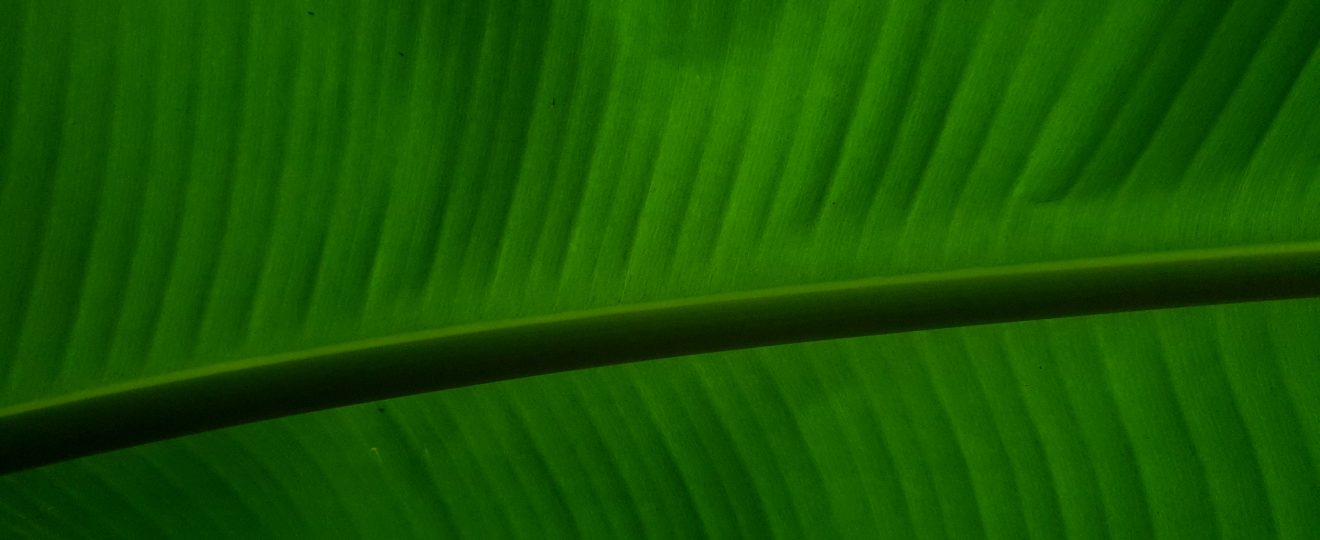
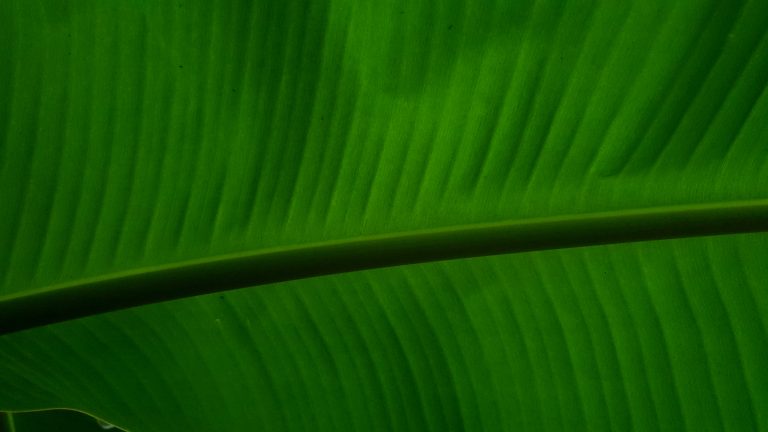
The leaves are of equal importance although not as much as before thanks rampant use of plastics. But hot food was once commonly packed in banana leaves . It is now understood that Banana leaves have an anti microbial and anti bacterial effect on food that it is in contact with. People from most of South and South east Asia prepare and package food in banana leaves even to this day.
The leaves are also used to steam food such as Idli and Ela-appam. Traditionally in Kerala, food is only served on banana leaves during religious and other ceremonial feasts.
Temples make use of the leaves and fruits regularly. to hand out “prasadam” and and sweets. The fruit is usually considered the prized offering to deities.
Did you know that the unripe banana is also eaten in many parts of the wolrd?
Unripe banana fruits are used as vegetable in Africa, Indonesia and many parts of India such as Assam, Bengal, Bihar, Kerala Karnataka, Tamilnadu and Orissa.
Banana Chips are a very popular snack in Kerala made with sliced raw bananas fried in oil.
Baby food in Kerala is made from raw bananas that are powdered and cooked into a creamy puree.
Plantain stem is also cooked and eaten. Referred to as “Vazha Pindi”, a coconut stir-fry is made out of it and had commonly in South India. The same goes for “Vazhapoo” or Plantain flower. Plantains are not considered a pest in India as it is in other parts of the world. Why would a useful plant like this be called invasive? The reason being most people do not realize the value of such a plant.
It does tend to multiply quickly and can regenerate easily perhaps making it harder for native plants to compete.
In Kerala there are many dishes made exclusively with bananas and its parts. Erissery, Avial, Thoran, Olan etc
It is a medicine too
The use of plants to treat illness is found through human culture. India and China have the most ancient recorded uses of medicinal plants.
Banana and its parts can be used as potent medicines that can replace the existing use or “over-use” of pharmaceuticals. The main reason being plant based medicines can have better efficacy as the body will not reject something that is natural.
For instance anti-fungal and anti-biotic properties are found in the peel of a fully ripe banana.
whereas dried unripe plantain bananas were found to be anti-ulcerogenic against aspirin-induced ulceration in rats It was effective both as a prophylactic treatment and in healing ulcers already induced by aspirin. This activity was due to their ability to stimulate the growth of gastric mucosa.
The fibre content in plantain makes its a very good digestive aid and helps in treating constipation.
It is widely used in Indian folk medicine for the treatment of diabetes mellitus.
A study of antihyperglycaemic action of plantain flower was conducted on diabetic rats. It was found that the oral administration of extract of the flowers for 30 days resulted in a significant reduction in blood glucose and glycosylated haemoglobin. There was an increase in total haemoglobin and reduction in free radical formation.
Perhaps its time for the world to see this fruit a little differently…